What Makes a Portrait Fine Art and Painterly?
Fine art is a varied and subjective term. It does not describe one required style, color palette, or type of portrait.
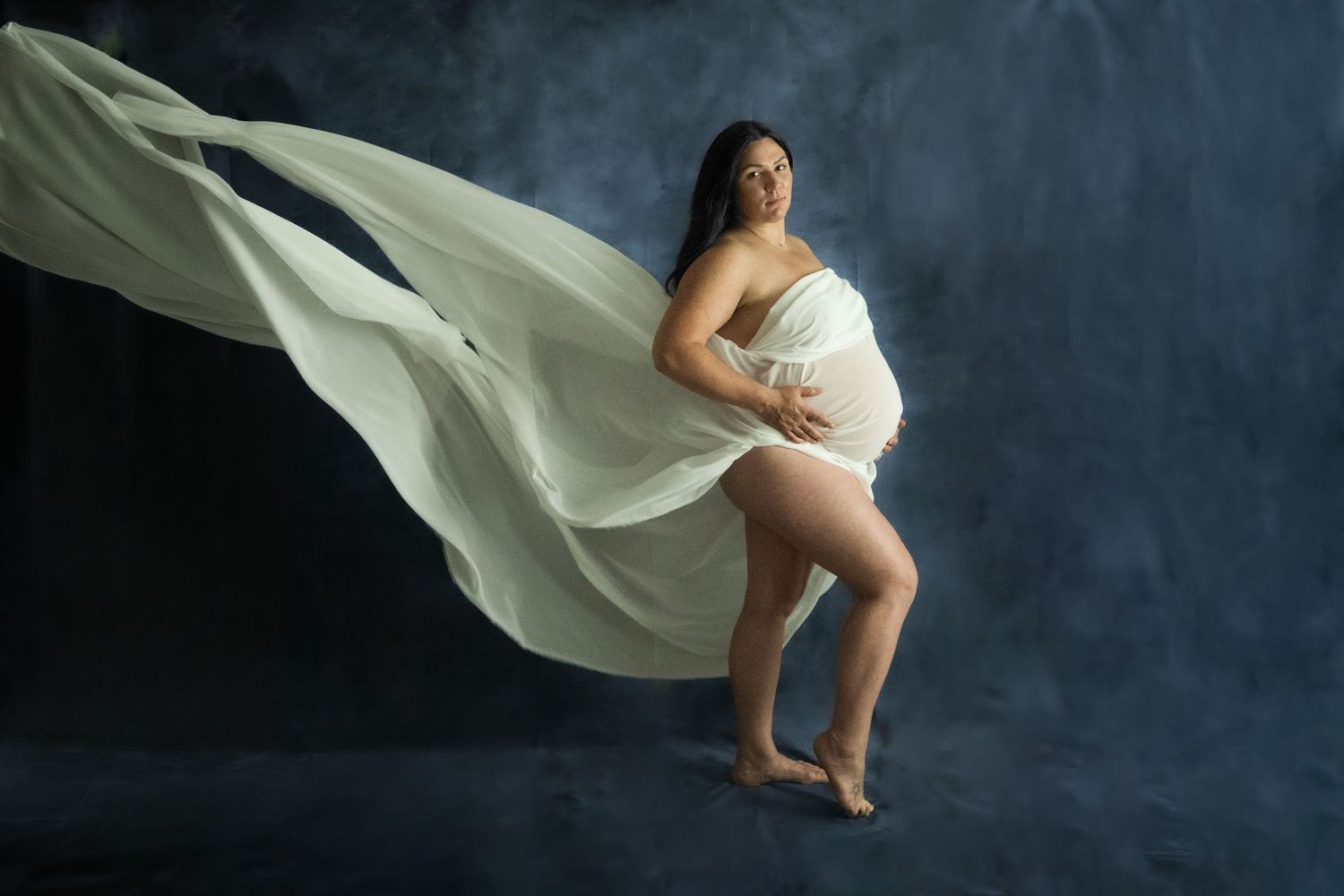
In my work, fine art portraiture means creating with intention. The light, wardrobe, color, pose, expression, and finishing are chosen to support one complete idea.
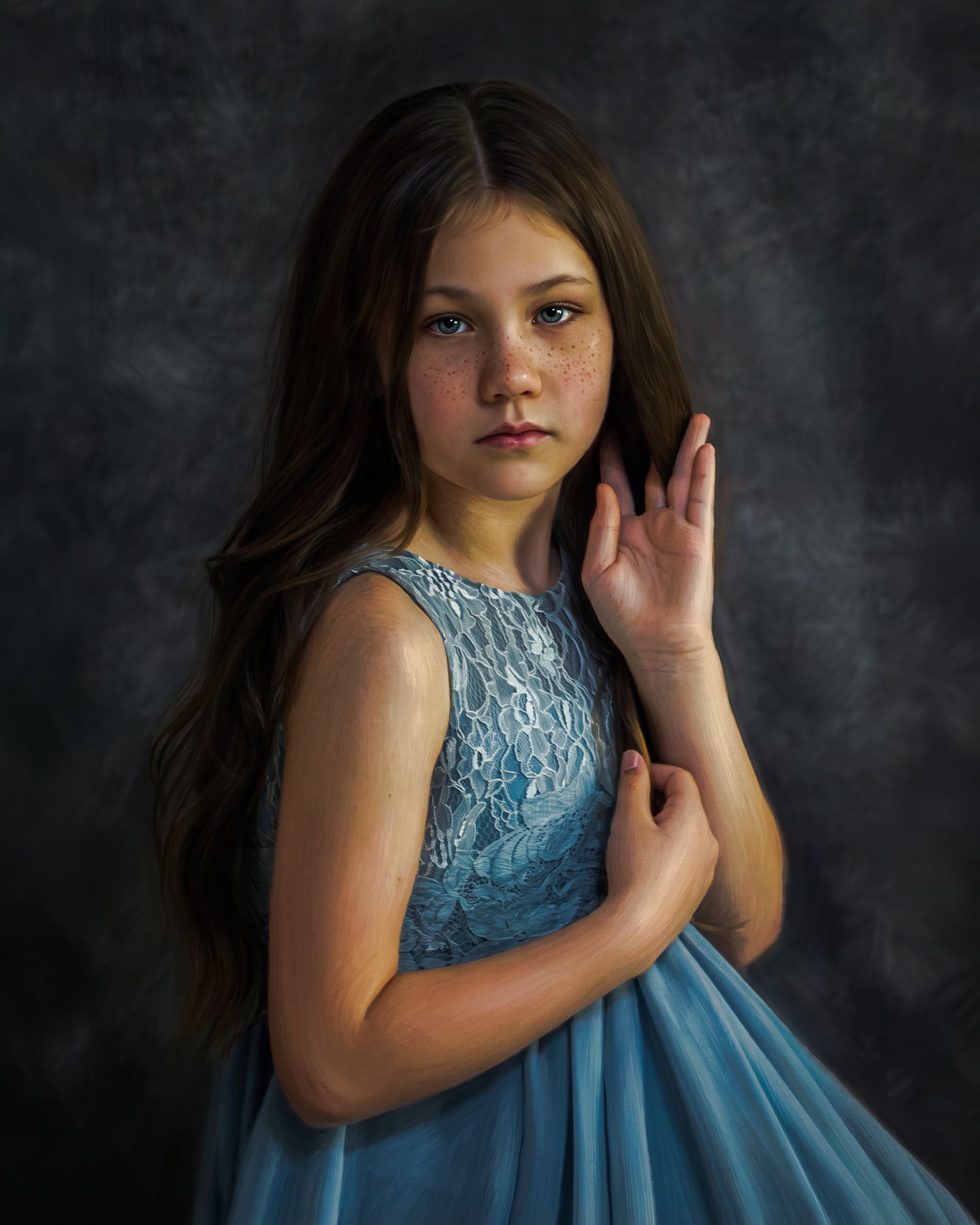
My work is especially influenced by paintings. I use the tools of photography to create portraits with the depth, texture, and visual presence we often associate with painted artwork.
What is painterly portrait photography?
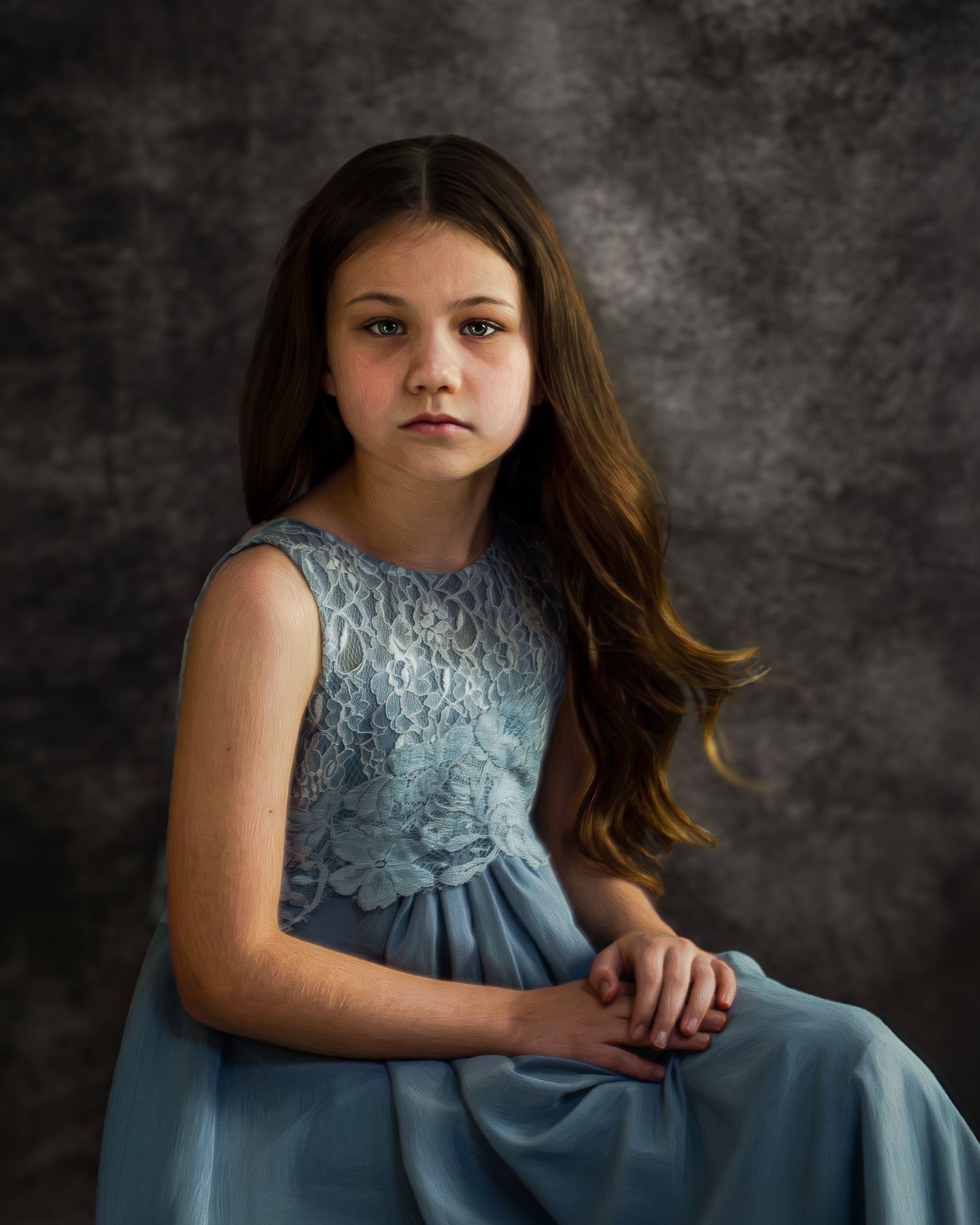
Painterly portrait photography uses light, color, texture, composition, and expression to give a photograph the feeling of a painting.
The finished piece is still a photograph. It is not necessarily painted by hand or covered with a painting effect. The painterly quality begins while the portrait is being planned and photographed.
It can feel classical, modern, quiet, dramatic, or playful. There is no single expression or style required.
What creates the painterly quality?
Light that creates depth
Light does more than make a subject visible. It shapes the face, clothing, and body while guiding attention through the portrait.
I look carefully at where the light falls and where it fades. This creates dimension and gives the portrait a sense of depth.
Color and Texture
Wardrobe, fabric, flowers, backgrounds, and surrounding details all become part of the composition.
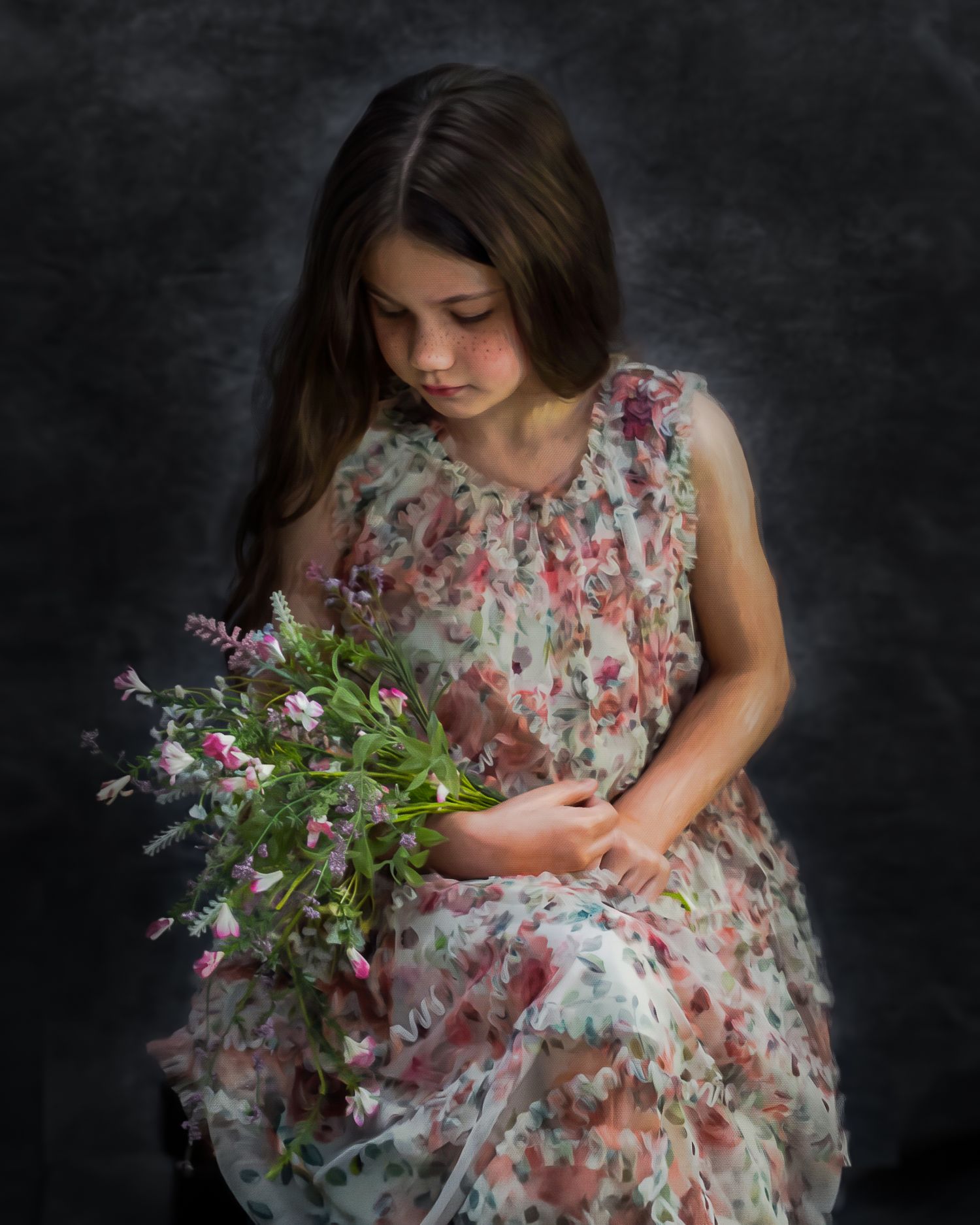
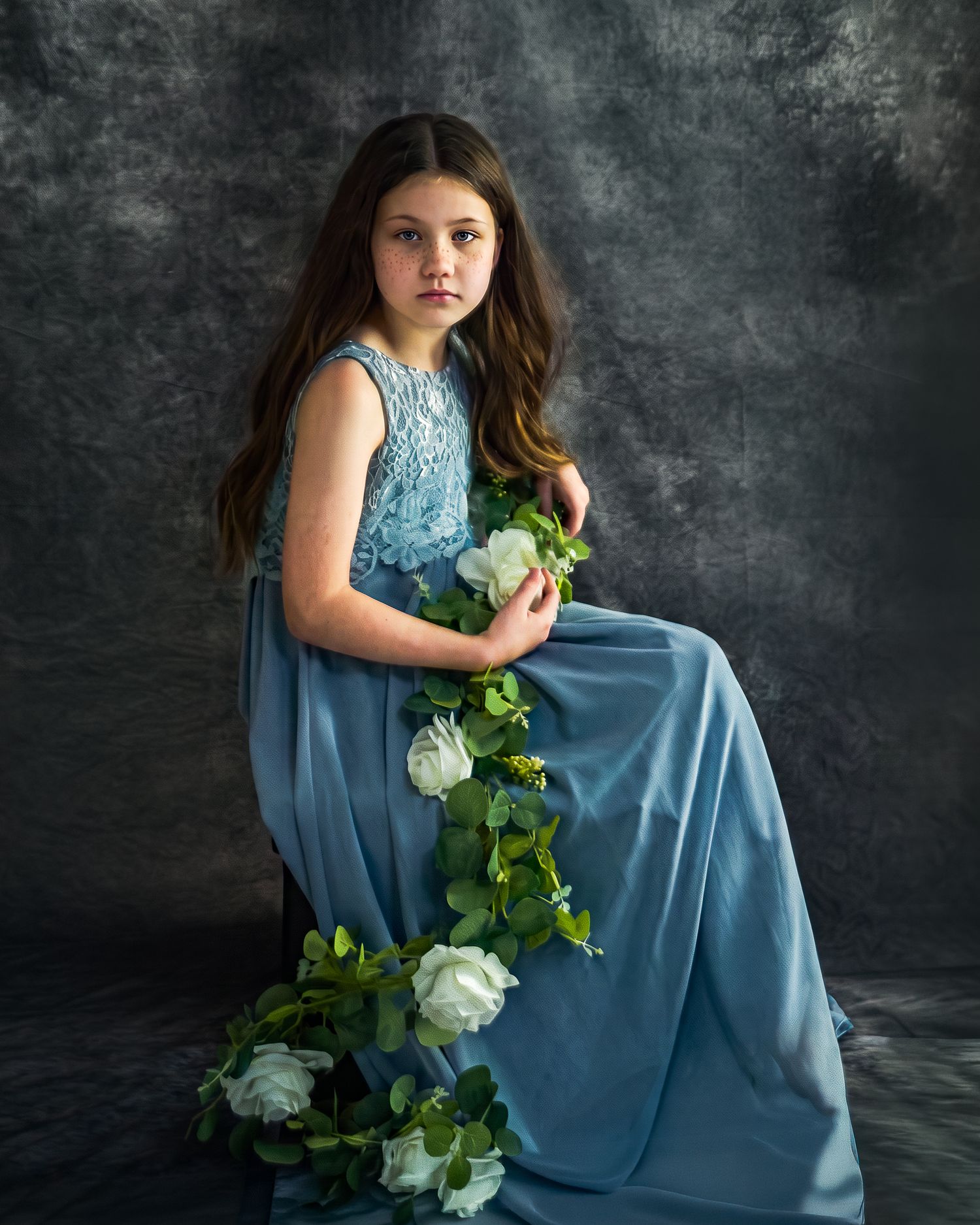
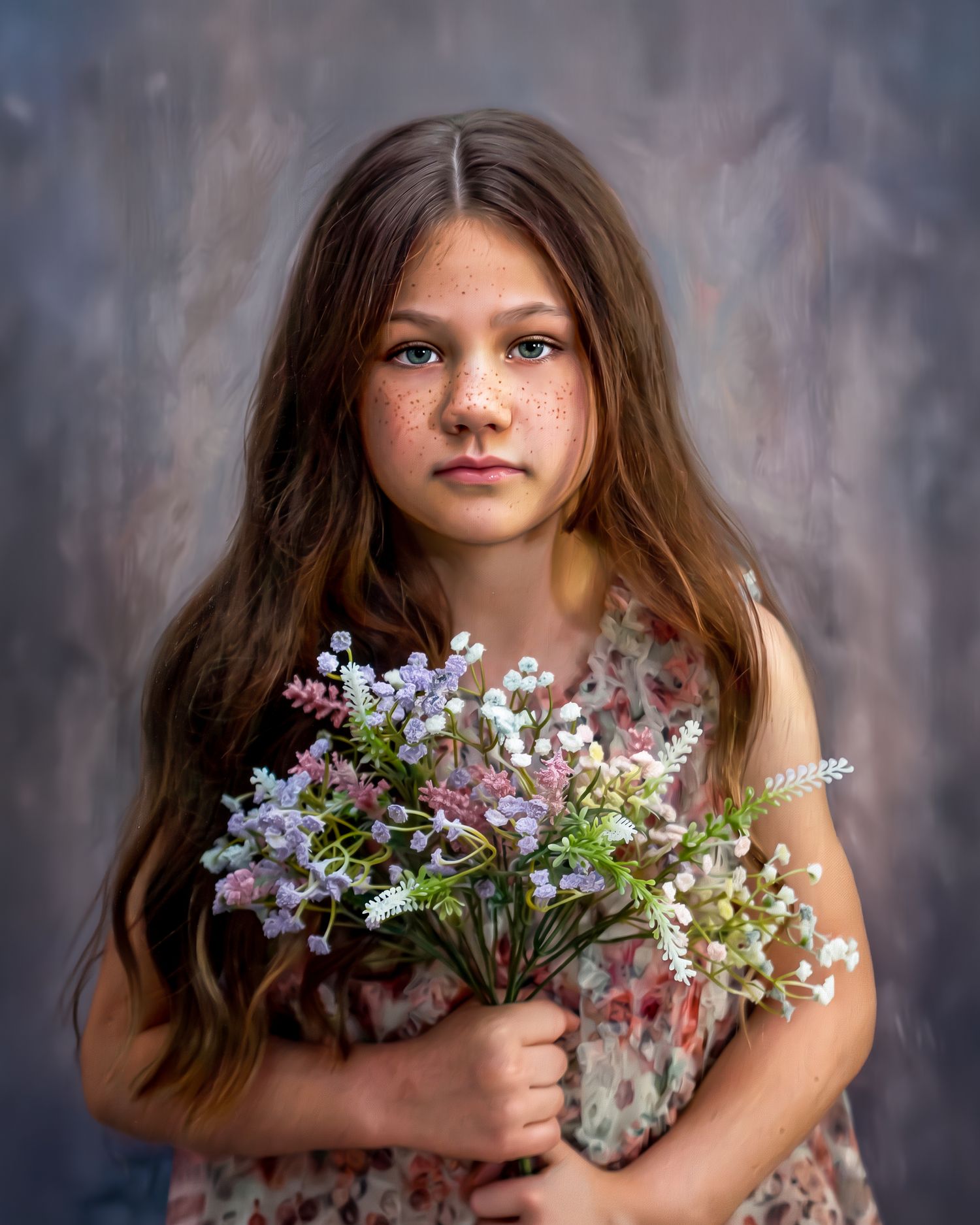
In this series, the muted blue dress, floral elements, textured backgrounds, and soft color palette work together. Nothing needs to match perfectly, but every element should feel as though it belongs.
Composition and Expression
The position of the body, placement of the hands, direction of the eyes, and space around the subject all affect how a portrait feels.
A portrait can feel quiet and reflective, warm and playful, or confident and direct. The goal is not to force someone into a character. It is to provide enough direction for something genuine to come through.
Careful finishing
Editing helps bring the final image together, but editing alone does not make a portrait fine art.
The painterly result comes from the relationship between lighting, styling, posing, color, texture, and careful finishing. Each part supports the next.
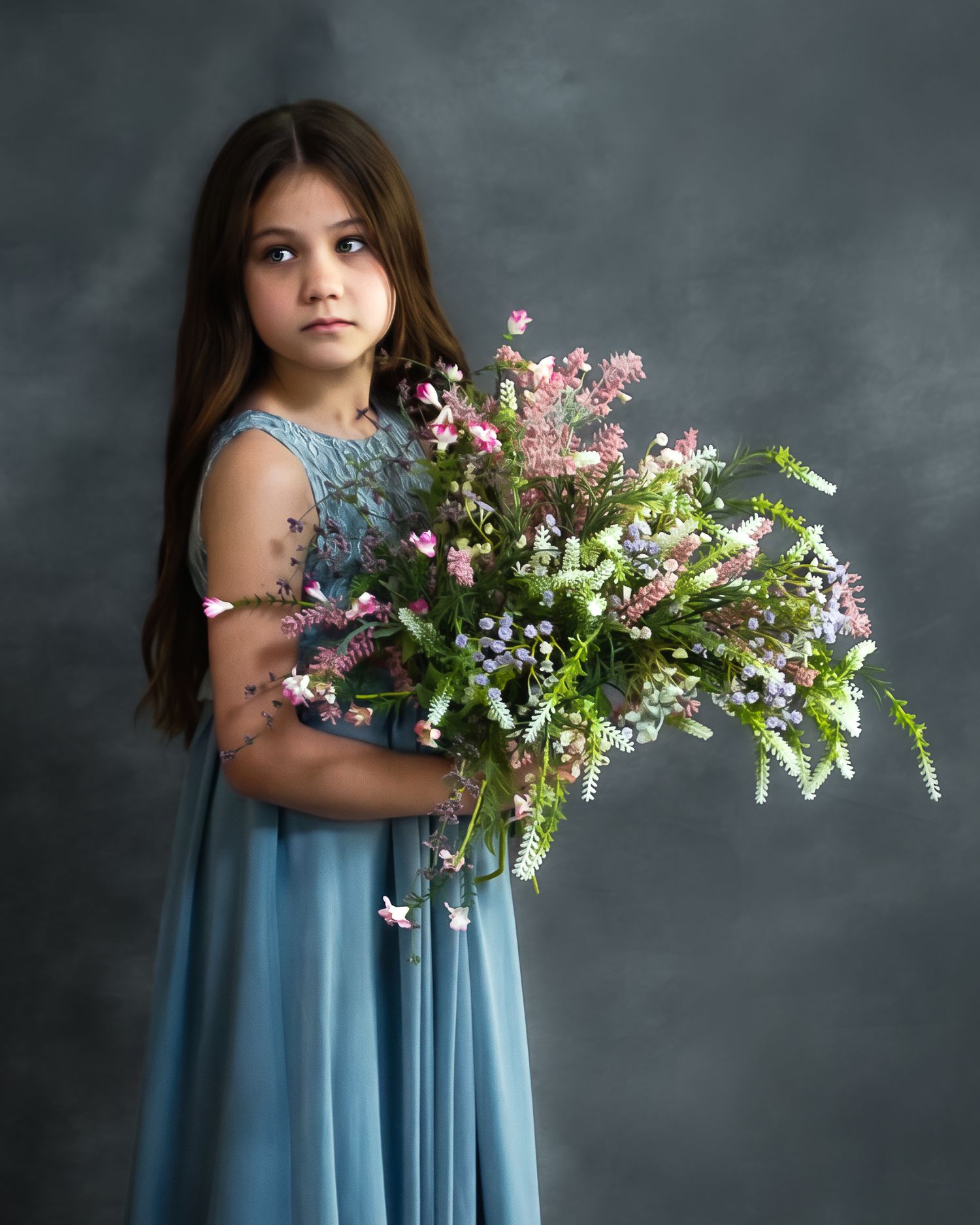
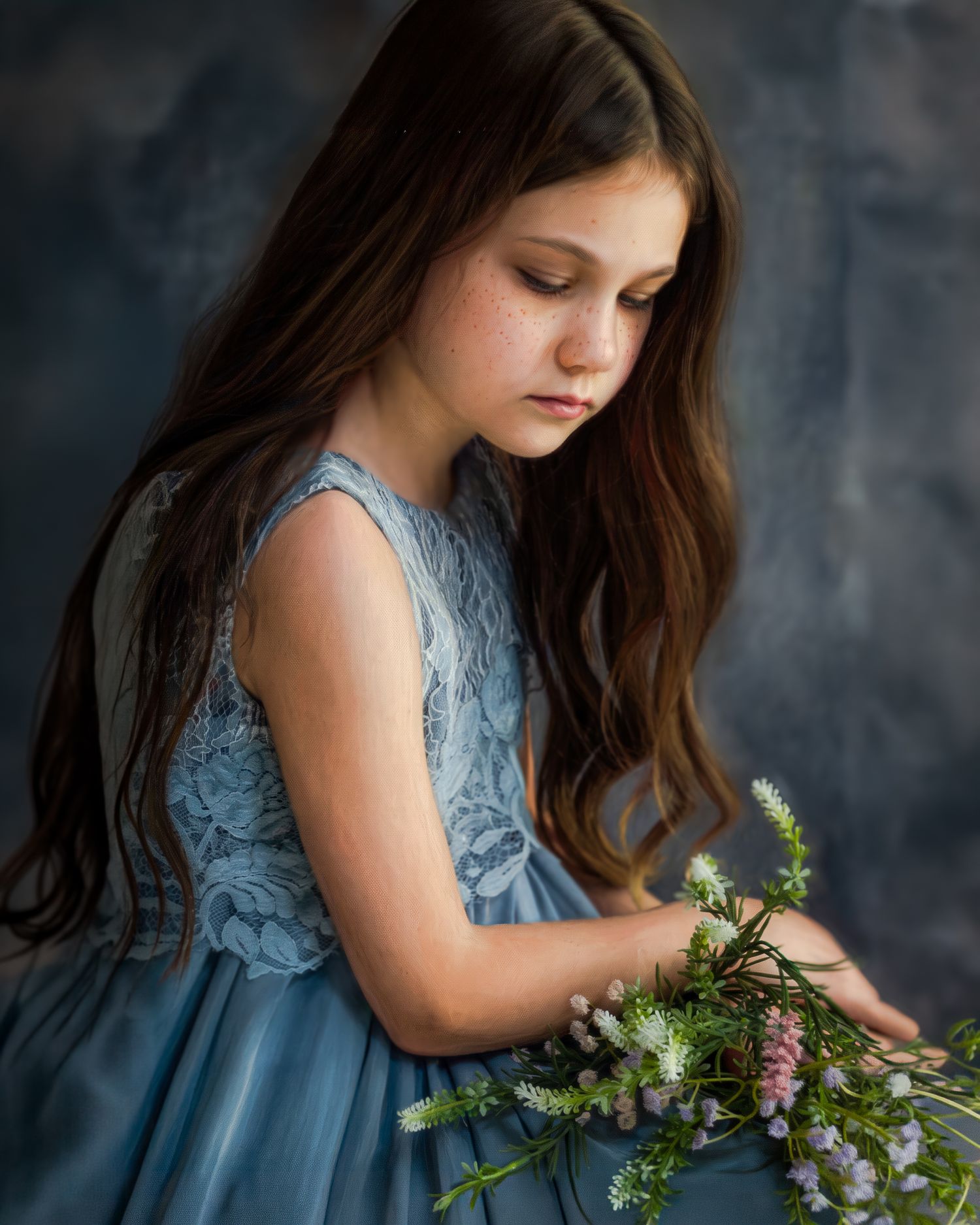
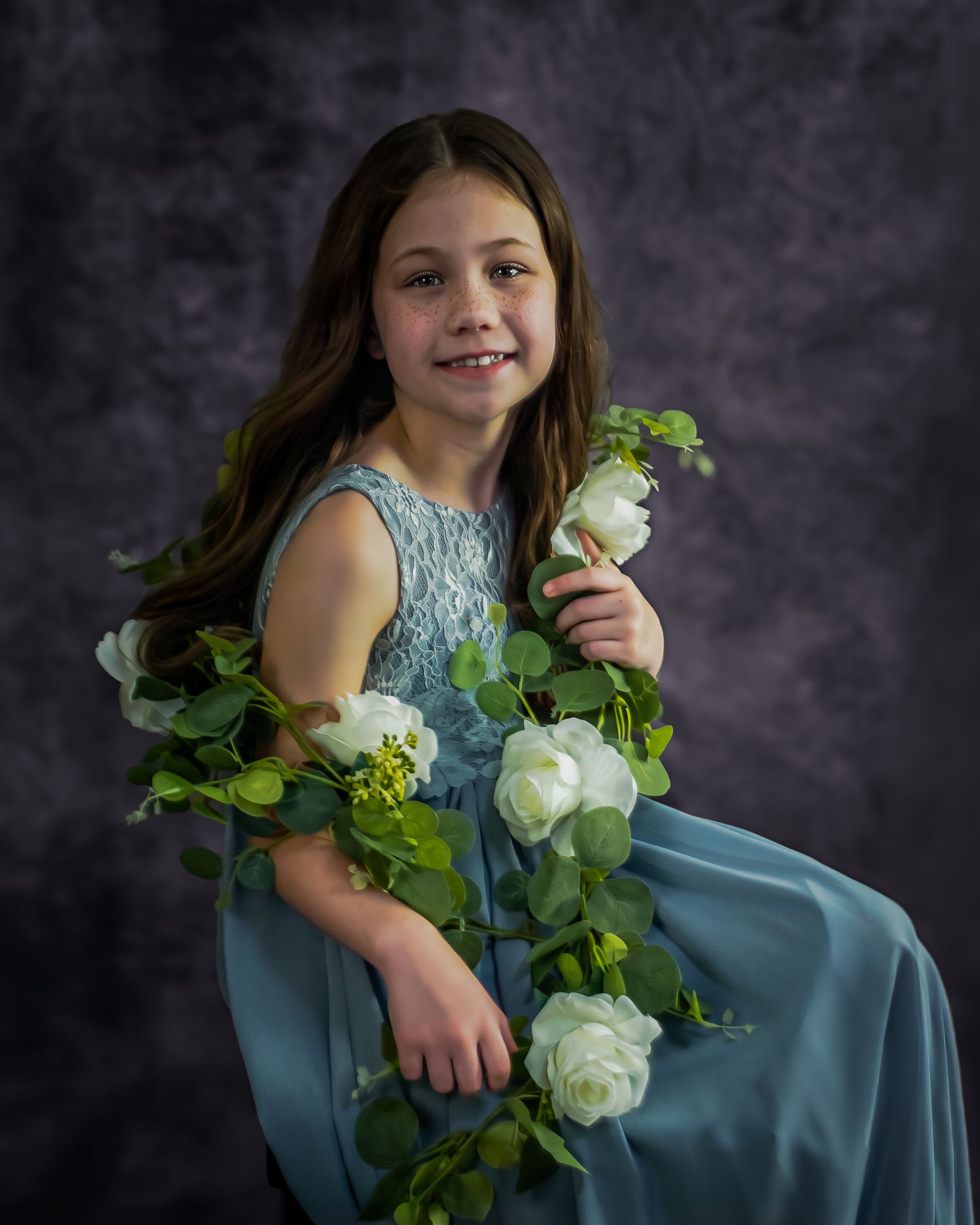
One idea can become many portraits
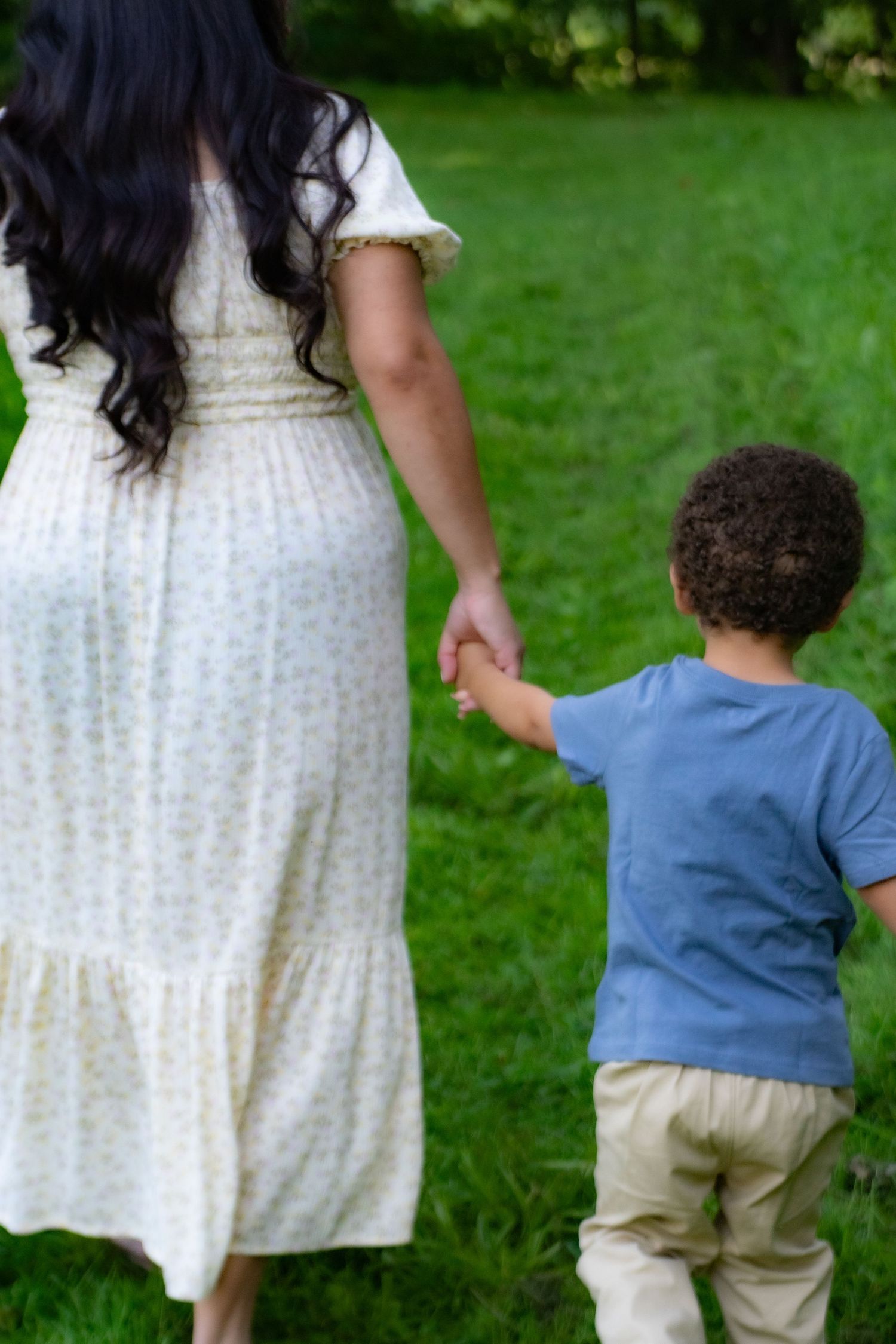
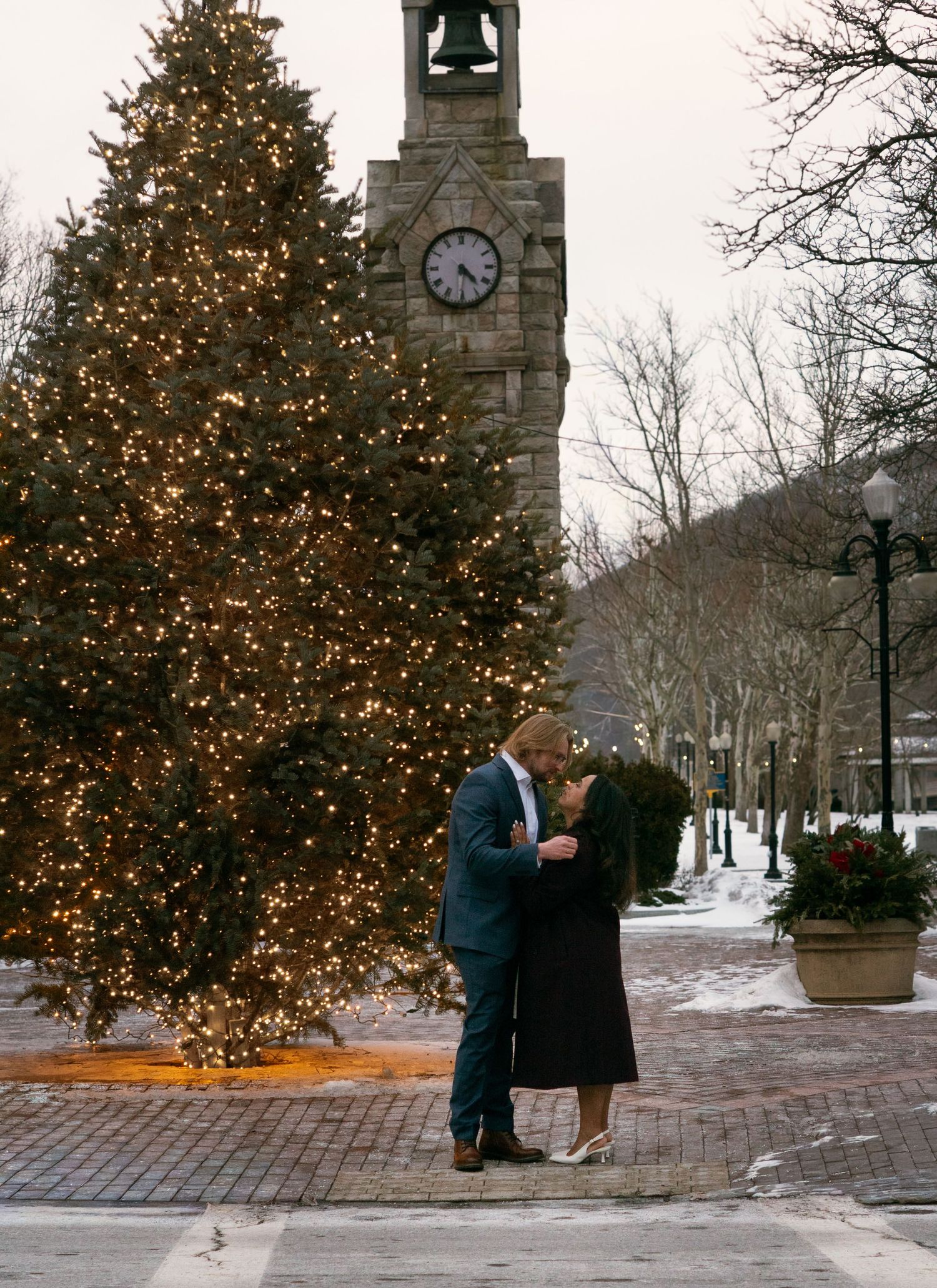
This series shows how one idea can be interpreted in different ways.
Some of the portraits are still and direct. Others feel soft, reflective, or playful. The styling and color remain connected, but the expression and composition change.
That variety is important. Painterly portraiture does not require every photograph to look or feel exactly the same.
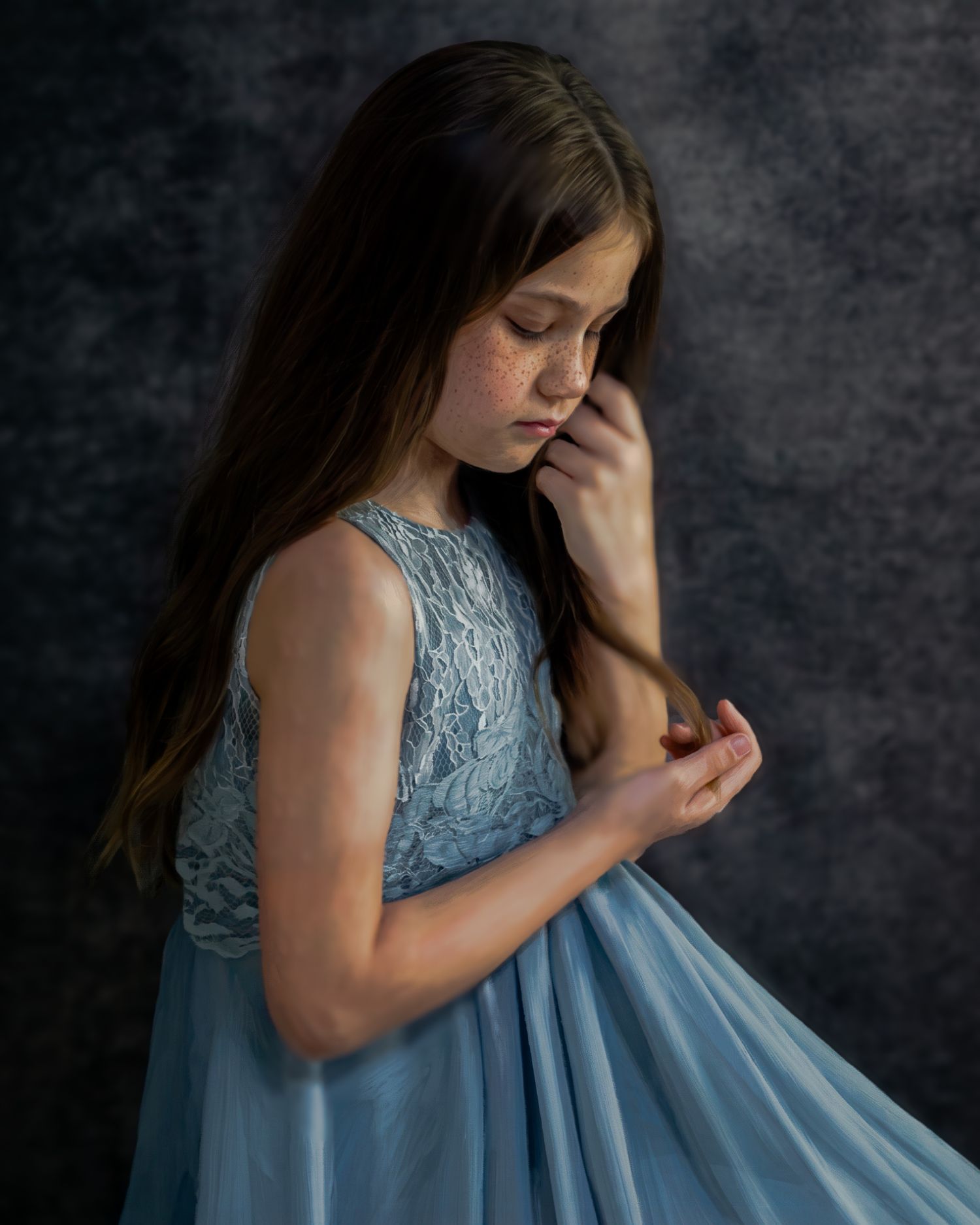
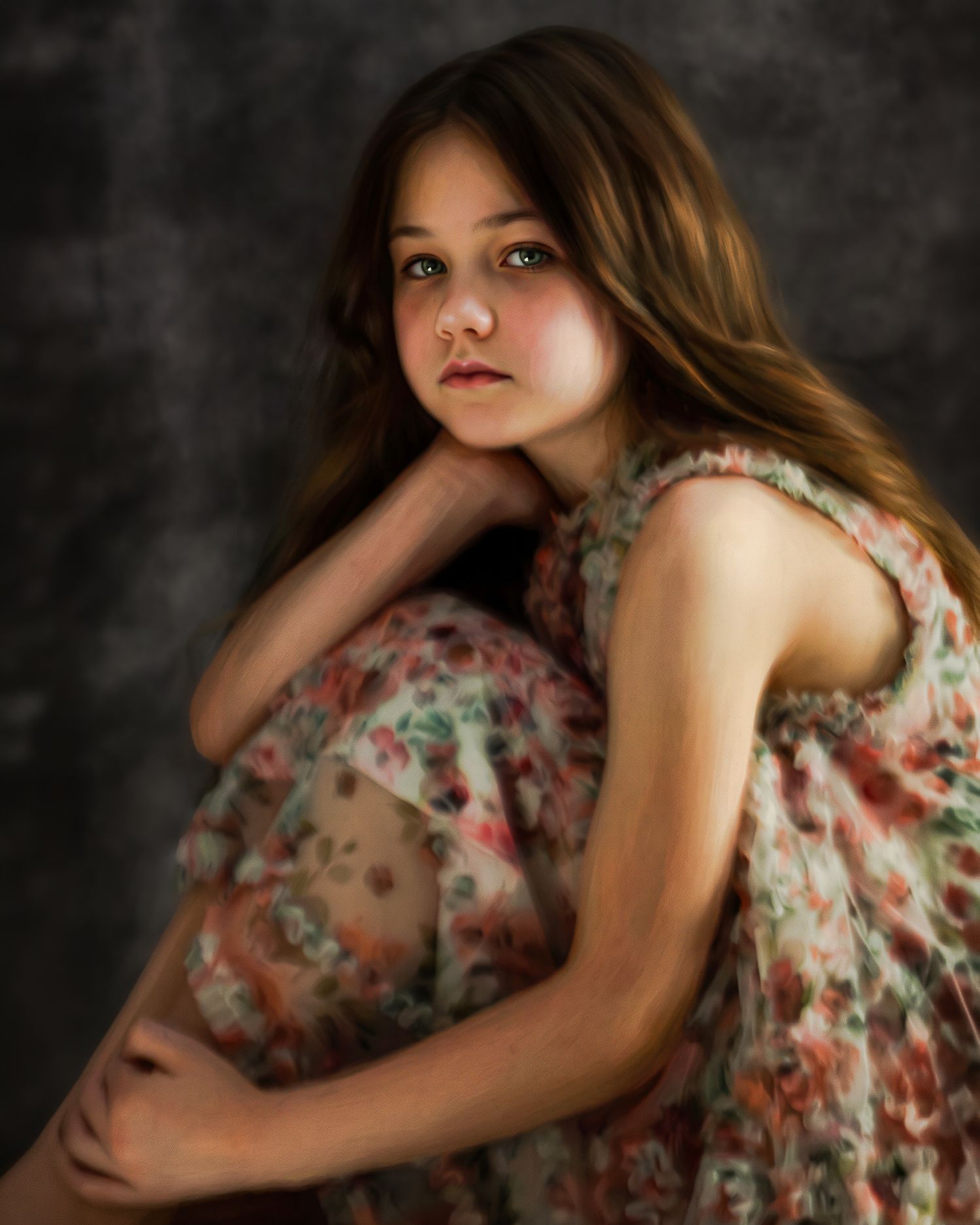
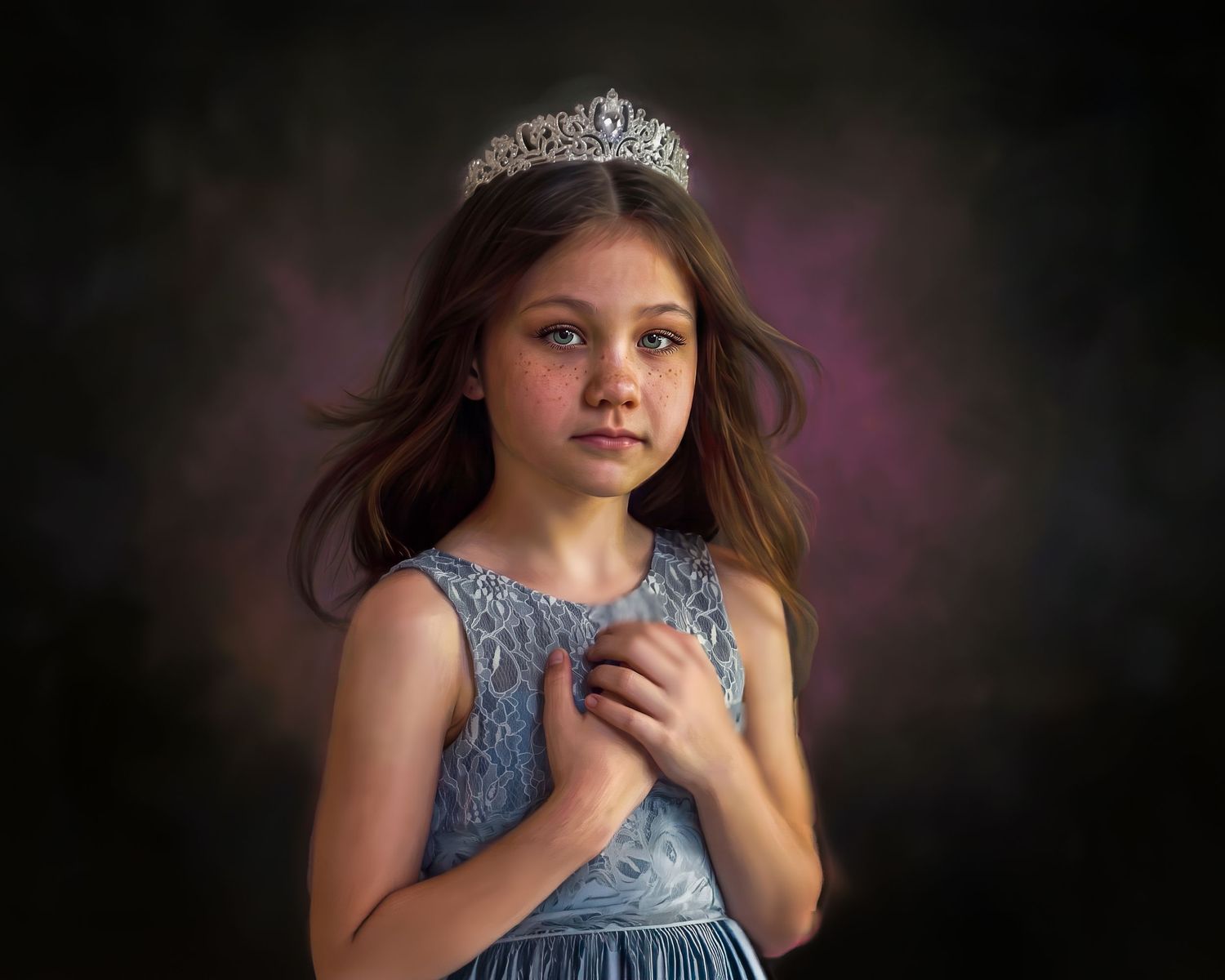
Fine art and Editorial portraiture
My work often brings fine art and editorial influences together.
The editorial influence appears through styling, movement, confident direction, and strong composition. The fine art influence can be seen in the shaped light, painterly finishing, emotional quality, and attention given to the final artwork.
Together, they create portraits that feel polished and imaginative while remaining personal.
Created to become something tangible
For me, the portrait is not finished simply because it appears on a screen.
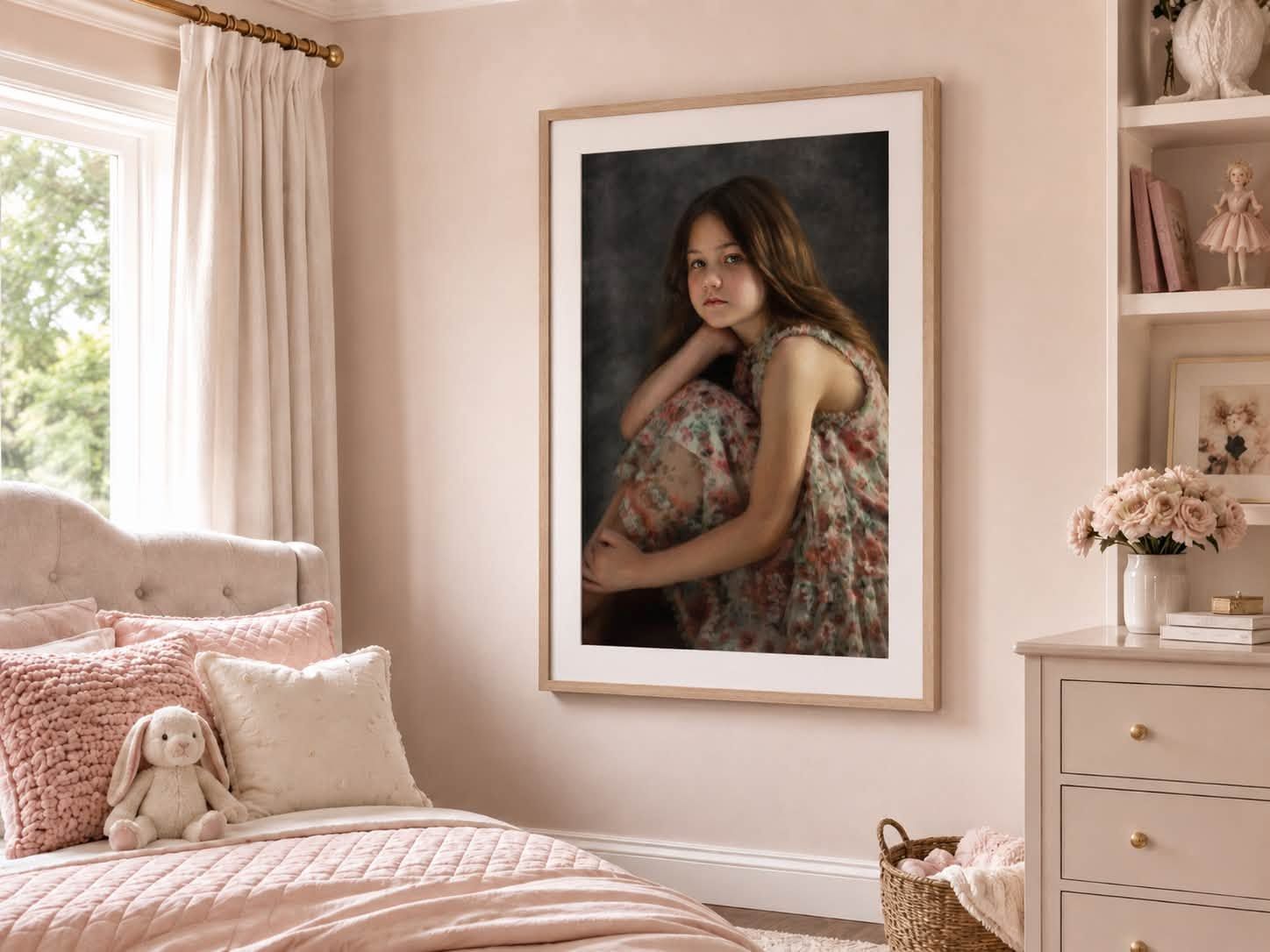
A painterly portrait has a different presence when it becomes a framed piece, matted print, album, or artwork for the home. Printing allows the color, texture, and detail to be experienced in a more lasting way.
I create painterly fine art and editorial portraits in Elmira, New York, for clients throughout the Southern Tier and Finger Lakes.
If you are drawn to portraits that feel like paintings while still feeling like you, I invite you to begin planning your portrait experience.
Let's document your story
This is a paragraph. Click edit and enter your own text. You can make changes like making the text bold, underline or italic. This is a great place for you to tell your clients more about your story and to describe the type of photographer you are. You can come back at any time to make more changes.